
Choosing a Garage Floor Coating for Red Dirt and Daily Use in East Texas
Red soil, wet tires, lawn equipment, and daily foot traffic can make bare garage concrete difficult to keep presentable. Your concrete and the way you use the area should guide every decision about a garage floor coating. A clear walk-through can answer questions about preparation, appearance, texture, cleaning, and timing before you schedule the work.
Plan for the Debris That Actually Enters the Garage
Red soil and fine grit arrive on tires, shoes, lawn tools, and recreational equipment. A medium-value flake blend can make routine dust less visually dominant, while enough contrast helps owners see dropped hardware and spills. Entry mats and regular sweeping reduce the abrasive material carried across the floor. Color alone cannot solve a cleaning problem, so the conversation should include how often the garage is used, whether the doors stay open, and where soil collects after rain.
Account for East Texas Conditions
Many East Texas properties have covered areas, open-air concrete, workshops, garages, and busy rooms on the same site. We evaluate each space separately before recommending a flooring or concrete service. Think about what you need the finished floor to handle and what you want it to look like. During the estimate, we will ask about current problems, traffic, water, sunlight, cleaning, and future plans. Your answers help us recommend a system that fits the space instead of making assumptions from its size or location. That conversation also sets clearer expectations.
Start With How You Use the Space
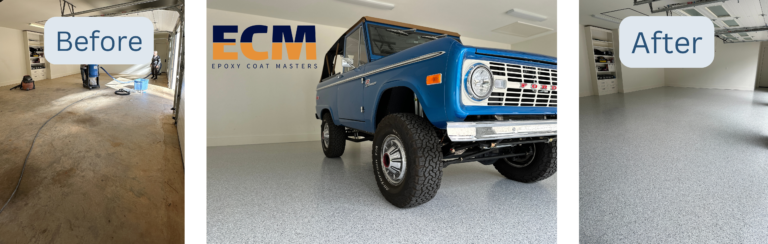
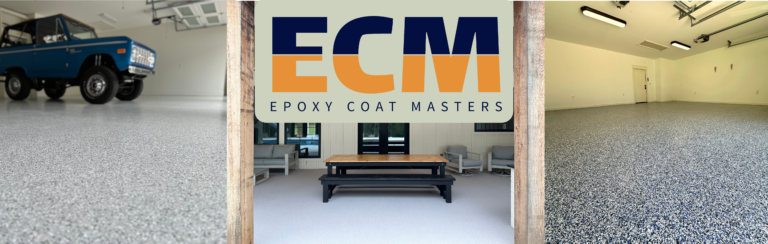
ECM’s decorative flake system uses a flexible rubberized urethane base coat, broadcast polymer flake, and a protective polyaspartic top coat. The finished surface gives a garage a continuous, easy-to-clean appearance while the flake blend adds color and visual texture. One end of a slab can be very different from the other. During the walk-through, we look closely at doorways, drains, old work areas, covered edges, and high-traffic paths so your quote reflects the entire space.
Choose a Finish That Fits the Space
Look at flake blends in relation to cabinets, walls, vehicles, doors, and lighting. Mid-tone blends often balance brightness with the practical need to live with dust and tracked debris between cleanings. The desired texture and sheen should also fit how the garage is used. A regional description cannot tell us everything about your floor. We also look at the actual site, ventilation, visible conditions, known slab history, sun or weather exposure, and the product requirements for that project.
Let Your Concrete Guide the Plan
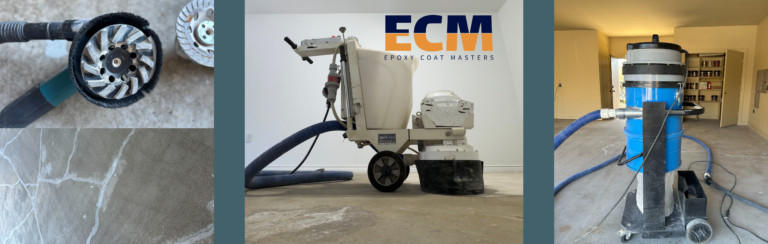
Before we coat your floor, we inspect the slab for old coatings, oil, grease, cracks, joints, visible moisture concerns, and other conditions that may affect the work. Diamond grinding creates the clean, textured surface the coating needs to bond. We address appropriate cracks and other surface issues before the base coat is applied. Structural concrete problems require the appropriate specialist. Choose a color and finish that will still work after you change vehicles, furniture, equipment, or displays. Walls, brick, stone, cabinets, and other permanent finishes usually give you the best color reference.
What to Ask Before You Schedule the Work
Before scheduling the work, make sure you understand how we will prepare the concrete, which general system we recommend, how you will choose the color and texture, and which conditions could change the scope. You should also know how to clear the area, which edges or transitions are included, and when you can use the space again. During the walk-through, tell us about recurring spills, damp areas, direct sunlight, difficult cleaning spots, equipment paths, and future plans for the room. Photos and measurements are helpful, but your experience with the space gives us details that a picture may miss. That conversation makes it easier to choose a floor that fits your home and daily routine.
What Happens During the Work
Once the slab is prepared, the Epoxy Coat Masters crew will apply the flexible base coat and broadcasts decorative flake. The surface is scraped and sanded as required before the polyaspartic top coat is applied. The crew provides cure and return-to-use instructions based on the installed system and project conditions. Before work begins, your written quote should identify the installation area and explain important conditions or exclusions. We will also give you return-to-use directions based on the products, weather, concrete, and sequence used on your project.
Planning the Next Step
Have questions about the color, preparation, or installation of your garage floor? Contact Epoxy Coat Masters and tell us what you have in mind. We can arrange a time to see the space, look at the concrete, and walk you through the next steps. Feel free to ask any questions you have about the garage floor before deciding how to move forward.