Stained Concrete Color Variation: Why Every East Texas Floor Looks Different
Concrete stain responds to the slab that is already present, which makes variation part of the finished appearance. Your concrete and the way you use the area should guide every decision about stained concrete. A clear walk-through can answer questions about preparation, appearance, texture, cleaning, and timing before you schedule the work.
Start With How You Use the Space
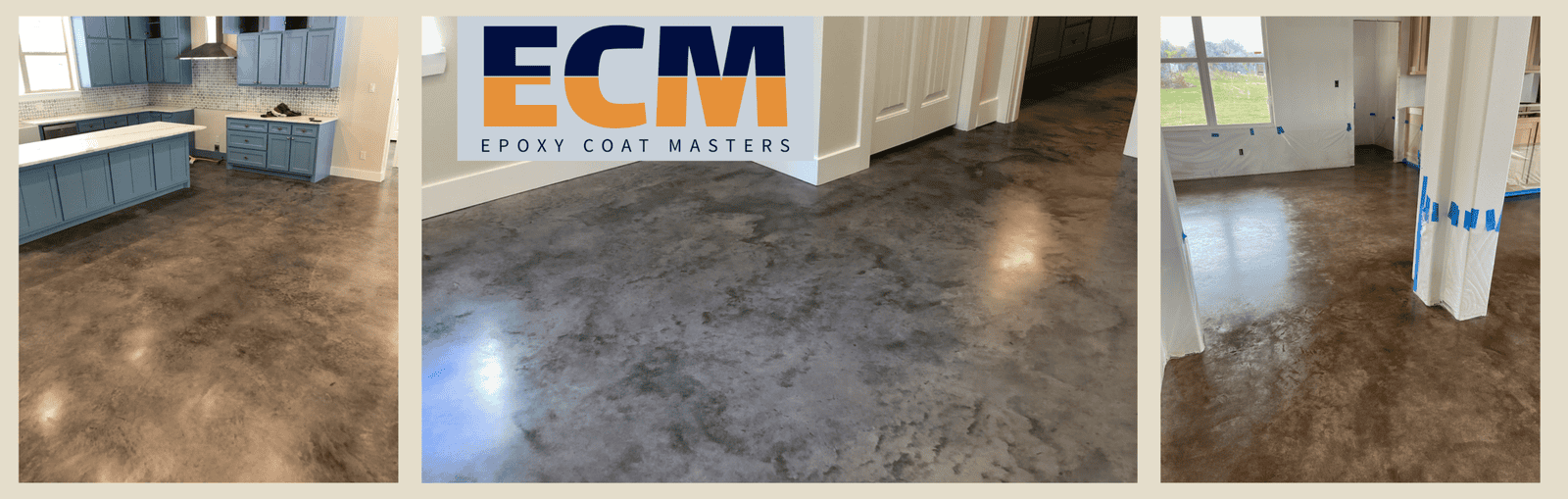
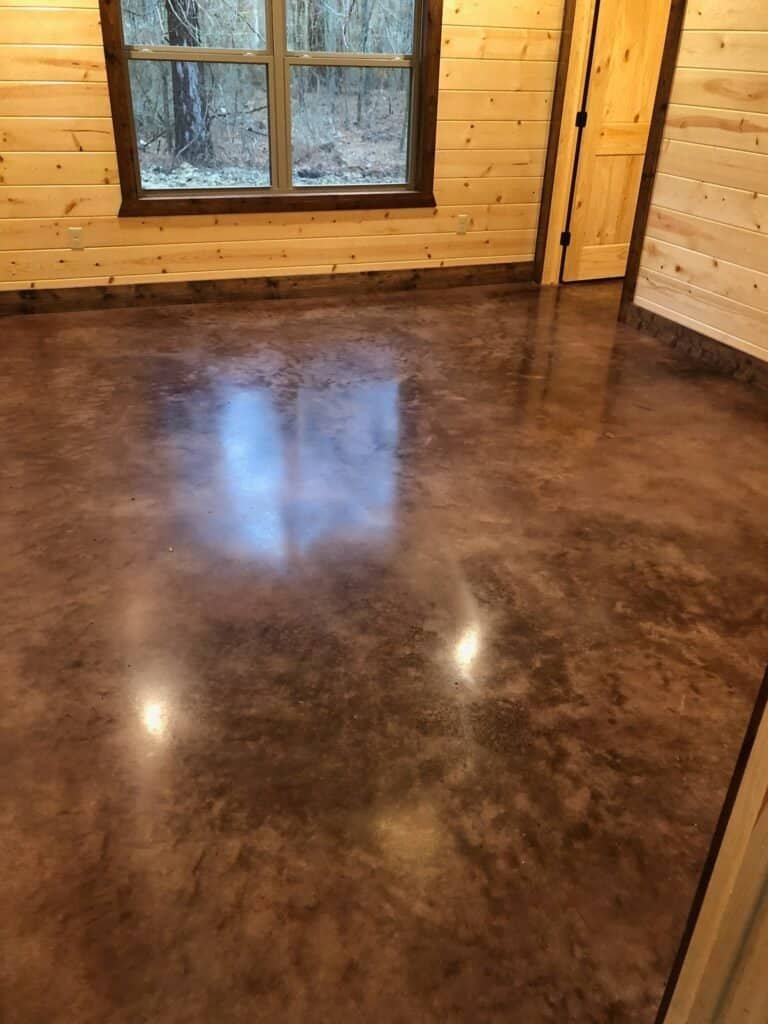
Concrete staining adds color while leaving the natural character and color variation of the slab visible. Because the stain works with the concrete already in place, the finished floor will have movement and variation instead of one flat, opaque color. Think about what you need the finished floor to handle and what you want it to look like. During the estimate, we will ask about current problems, traffic, water, sunlight, cleaning, and future plans. Your answers help us recommend a system that fits the space instead of making assumptions from its size or location. That conversation also sets clearer expectations.
Choose a Finish That Fits the Space
Compare colors beside fixed finishes such as cabinets, stone, brick, walls, and trim. Lighting also changes the way stained concrete reads throughout the day. A homeowner who appreciates movement and variation will usually be more comfortable with the character of the finished floor. One end of a slab can be very different from the other. During the walk-through, we look closely at doorways, drains, old work areas, covered edges, and high-traffic paths so your quote reflects the entire space.
Account for East Texas Conditions
Many East Texas properties have covered areas, open-air concrete, workshops, garages, and busy rooms on the same site. We evaluate each space separately before recommending a flooring or concrete service. A regional description cannot tell us everything about your floor. We also look at the actual site, ventilation, visible conditions, known slab history, sun or weather exposure, and the product requirements for that project.
What to Ask Before You Schedule the Work
Before scheduling the work, make sure you understand how we will prepare the concrete, which general system we recommend, how you will choose the color and texture, and which conditions could change the scope. You should also know how to clear the area, which edges or transitions are included, and when you can use the space again. During the walk-through, tell us about recurring spills, damp areas, direct sunlight, difficult cleaning spots, equipment paths, and future plans for the room. Photos and measurements are helpful, but your experience with the space gives us details that a picture may miss. That conversation makes it easier to choose a floor that fits your home and daily routine.
Questions to Discuss During the Assessment
- How do you use the space on an ordinary day?
- What sunlight, water, traffic, chemicals, or equipment reach the concrete?
- Are there stains, old coatings, cracks, or other visible conditions we should see?
- When do you need to walk, park, move equipment, or return furniture to the area?
What Happens During the Work
The installation plan depends on the slab and the staining method selected for the project. Assessment, cleaning, surface preparation, color discussion, application, sealing when appropriate, and care guidance all contribute to the result. We will confirm the actual products and sequence for the specific floor before work begins. Choose a color and finish that will still work after you change vehicles, furniture, equipment, or displays. Walls, brick, stone, cabinets, and other permanent finishes usually give you the best color reference.
Compare Samples in the Actual Lighting
A blend can look cool and gray under showroom lighting, then read warmer beside brick, wood cabinets, or sunlight from an open garage door. Large samples make the color balance easier to judge than a small digital image. You should compare the lightest and darkest chips, consider how much contrast is comfortable, and decide whether the floor should quietly support the room or become a stronger design feature. Practical visibility of dust, fasteners, and small spills belongs in the same decision.
Keep the Finished Floor Looking Good
Your cleaning routine should follow the stain and protective finish used on the project. Routine dust removal and prompt attention to spills help preserve the appearance. Harsh cleaners, abrasive tools, and unapproved treatments can alter the finish, so product-specific guidance is more useful than a universal maintenance schedule. Before work begins, your written quote should identify the installation area and explain important conditions or exclusions. We will also give you return-to-use directions based on the products, weather, concrete, and sequence used on your project.
Planning the Next Step
Tell Epoxy Coat Masters what you have in mind for your stained concrete project. We can schedule an in-person estimate, take a closer look at the concrete, and discuss the finishes and flooring systems that may work for the way you use the space. We are happy to explain the next steps for the stained concrete project and help you decide whether an on-site visit makes sense.