Why Quartz Flooring Is a Smart Choice for East Texas Porches
An East Texas porch may serve as an outdoor dining room, a quiet place for morning coffee, or the main gathering spot when friends and family visit. The floor has to support all of that activity while dealing with red dirt, pollen, rain, humidity, and strong summer sun. A professionally installed quartz flooring system for patios and outdoor spaces gives homeowners a durable, attractive surface designed for the conditions porches face throughout the year.
Quartz is especially well suited for covered porches, back patios, poolside porches, outdoor kitchens, and walkways that connect one part of an outdoor living area to another. Its textured finish adds practical traction, while the blended aggregate creates a natural, finished appearance that works with many East Texas homes.
What Is a Quartz Porch Coating?
A quartz flooring system uses small pieces of colored quartz aggregate broadcast into a flexible base coat. After the aggregate is applied and the surface is properly finished, a protective polyaspartic top coat seals the system.
People often search for “porch epoxy” or “outdoor epoxy flooring,” but those phrases can refer to several different products. Epoxy Coat Masters uses a flexible rubberized urethane base coat and a protective polyaspartic top coat for its quartz system. This combination is selected for the demands of outdoor and semi-outdoor concrete rather than relying on a basic epoxy coating alone.
The quartz aggregate gives the surface its color, texture, and stone-like appearance. Because the color comes from a blend of many small granules, the finished floor has visual depth and does a good job of complementing brick, stone, wood, siding, and painted exterior finishes.
Why Quartz Porch Flooring Fits East Texas Homes
Outdoor concrete in East Texas deals with changing conditions. A porch may stay shaded during part of the day and receive direct sunlight later. Wind can push rain onto a covered area, and damp shoes may track water across the floor. During dry stretches, dust, pine pollen, leaves, and red soil can collect near doors and steps.
A quartz coating creates a continuous finished surface over the prepared concrete. Homeowners do not have grout lines or paver joints collecting weeds and debris. Routine care is generally straightforward, and the textured finish can help disguise the light dust and dirt that naturally appear between cleanings.
The aggregate also provides more texture than a smooth painted concrete floor. That texture can improve traction when the porch is damp, although every wet surface can still become slippery. The desired texture should be discussed before installation, especially around pool access points, steps, outdoor kitchens, and other areas where water is common.
A Comfortable Look for Outdoor Living Areas
The floor covers a large part of what people see when they step onto a porch. Bare concrete can look unfinished beside a carefully designed fireplace, outdoor kitchen, or seating area. Paint may provide color, but it usually lacks the depth and texture of a broadcast quartz system.
Quartz blends are available in a range of neutral combinations. Warm tan, brown, gray, cream, and mixed-stone tones can coordinate with the earthy materials used on many homes around Tyler, Whitehouse, Lindale, Bullard, Longview, and nearby communities. A subtle blend can keep the porch feeling calm and cohesive without competing with furniture, brickwork, or landscaping.
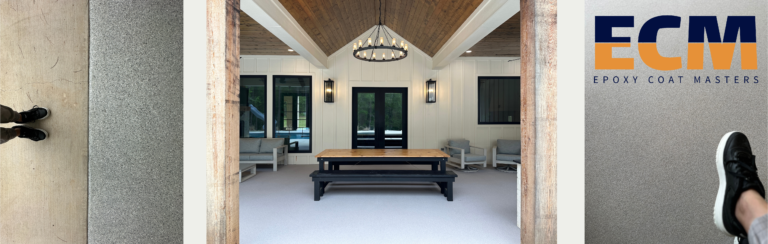
Homeowners can see an East Texas example in the Epoxy Coat Masters project gallery. The Oyster quartz porch completed in Whitehouse pairs light gray and brown tones with the home’s white brick fireplace and covered outdoor living area. The finished surface feels connected to the architecture while still adding definition to the porch floor.
Covered Porches and Exposed Porches Have Different Needs
A roof reduces direct exposure, but a covered porch remains an outdoor environment. Sunlight can reach the perimeter, wind can carry rain across the slab, and humidity affects the space throughout the year. Open porches experience even greater exposure to sunlight and weather.
The condition and location of the concrete help determine how the project should be approached. During an assessment, the installer can look at drainage, cracks, surface wear, previous coatings, moisture concerns, and the amount of weather exposure. This is also the time to discuss how the porch is used. A quiet front porch, a busy back entrance, and a poolside entertainment area may call for different texture and design choices.
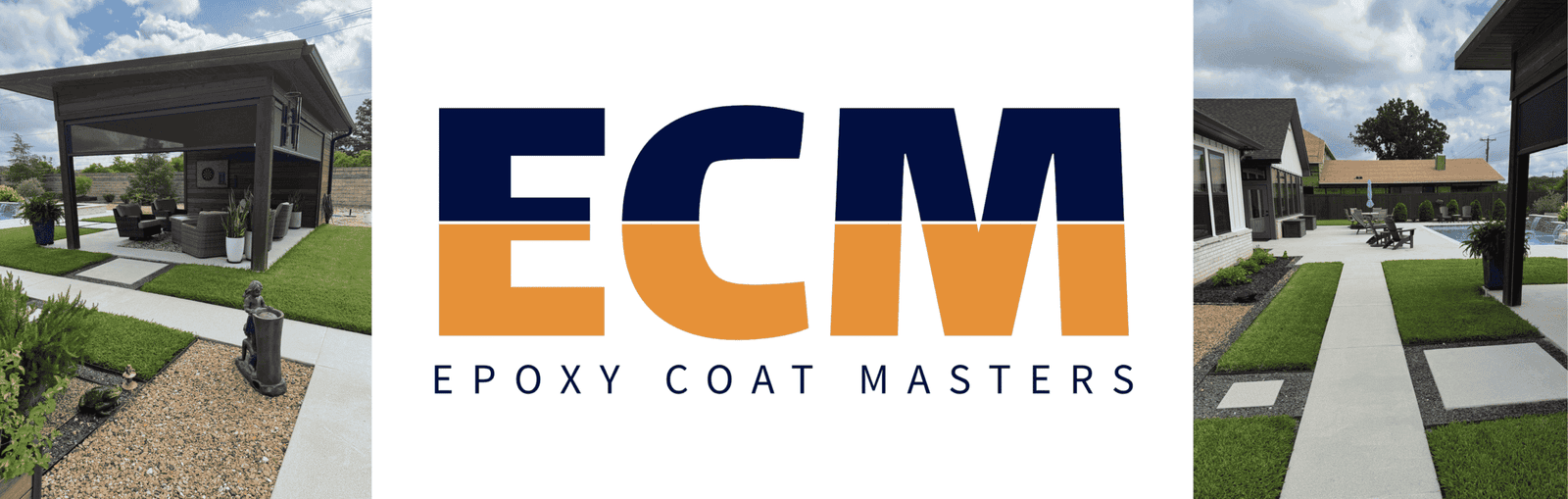
Quartz can also create visual continuity across connected spaces. For example, the same blend may be used on a covered porch and the walkway leading to it. This gives the outdoor area a unified appearance and avoids an abrupt transition between several unrelated concrete finishes.
Proper Preparation Supports the Finished System
The appearance of a quartz porch begins with the concrete underneath it. Professional preparation typically includes assessing the slab, grinding the concrete, cleaning the surface, and completing appropriate repairs. Moisture testing or a primer may be used when the slab and site conditions call for it.
Once the concrete is ready, the flexible rubberized urethane base coat and quartz broadcast are applied. The surface is then scraped or sanded as required, and an additional broadcast may be used depending on the selected system. A polyaspartic top coat protects the finished surface and helps seal the quartz aggregate in place.
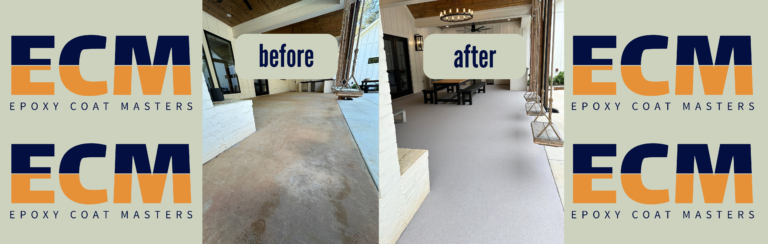
This layered process produces a different result from rolling porch paint over unprepared concrete. Grinding creates the surface profile needed for the coating system to bond properly, while repairs address eligible problem areas before they are covered. Existing cracks, drainage issues, or signs of movement should be evaluated before work begins so the homeowner receives recommendations based on the actual porch.
Choosing a Quartz Blend for Your Porch
Color samples are useful, but homeowners should also think about the full outdoor setting. The porch floor should work with permanent elements such as brick, stone, columns, trim, and countertops. Furniture and seasonal décor are easier to change later.
Lighting can alter how a blend appears. A quartz sample may look lighter in direct sun and deeper under a covered roof. Viewing color options near the porch can make it easier to compare them with the home’s exterior materials. Homeowners should also consider how much visible texture they prefer and whether the porch connects to a pool, walkway, or other coated area.
Is Quartz the Right Choice for Your East Texas Porch?
Quartz is a strong option for homeowners who want a textured outdoor concrete surface, a natural aggregate appearance, and a coating system suited to porch conditions. The best recommendation still depends on the slab, exposure, drainage, design goals, and how the area will be used.
Epoxy Coat Masters installs quartz flooring for porches, patios, pool surrounds, walkways, and outdoor entertainment areas throughout its East Texas service area. If you are planning a porch update, contact Epoxy Coat Masters to discuss the concrete, compare quartz blends, and find out which coating system fits your outdoor space.